Author: admin

  • Territorial Digital Twin

    Territorial Digital Twin

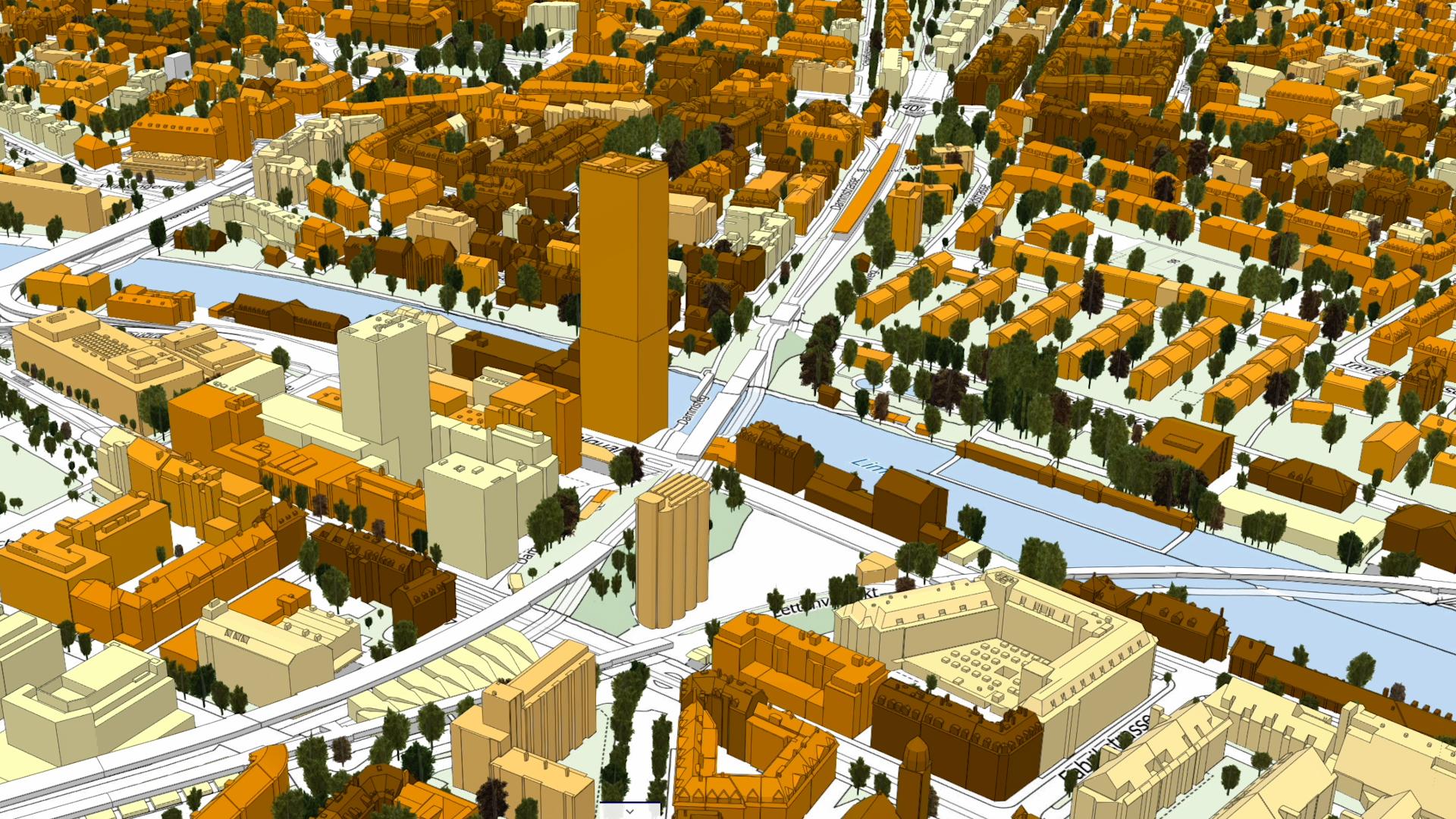
    Territorial Digital Twin: The Future of Land and Urban Management

    Imagine having an exact digital copy of an entire city, a watershed, or a whole region. Not just a simple 3D map, but a living model capable of updating in real-time and predicting what will happen tomorrow. This is the Territorial Digital Twin.

    What is a Territorial Digital Twin?

    A “digital twin” is a virtual replica of a physical area that integrates geometric, semantic, and dynamic data. Unlike traditional GIS (Geographic Information System) models, a Digital Twin does not simply describe where something is located, but simulates how that object interacts with its surrounding environment.

    The core of this technology lies in the integration of three main pillars:

    • 3D Modeling and BIM: For a millimeter-precise representation of buildings, infrastructure, and terrain morphology.
    • IoT (Internet of Things): Sensors distributed across the territory that send real-time data on traffic, pollution, energy consumption, and water levels.
    • Artificial Intelligence: To analyze Big Data and transform it into accurate forecasts and simulated scenarios.

    Practical Applications: From Theory to Action

    The true value of a Digital Twin lies in its ability to allow “zero-risk experimentation.”

    1. Urban Planning and Architecture Before constructing a new neighborhood or a bridge, decision-makers can simulate the impact on natural lighting, ventilation flows, and vehicle traffic, optimizing the project before the first stone is even laid.

    2. Environmental Risk Management During weather alerts, AI can simulate the progression of a flood or a landslide based on the exact topography of the land and real-time rainfall data, enabling precise evacuation plans and targeted mitigation interventions.

    3. Predictive Infrastructure Maintenance By monitoring the health of bridges and roads via sensors, the digital model can signal potential structural failure before it becomes visible to the human eye, reducing both costs and risks.

    The Benefits of a Data-Driven Approach

    The adoption of territorial Digital Twins brings a paradigm shift to public administration and engineering:

    • Data-Driven Decisions: Moving from intuition to scientific evidence.
    • Sustainability: Optimization of energy resources and reduction of the urban carbon footprint.
    • Resilience: An increased capacity to react and adapt to extreme weather events or emergencies.

    The Territorial Digital Twin is no longer a futuristic vision, but an essential tool for anyone seeking to manage the complexity of modern territories efficiently, safely, and sustainably.

  • Remote Sensing Analytics: Transforming Satellite Data into Strategic Decisions

    Remote Sensing Analytics: Transforming Satellite Data into Strategic Decisions

    Remote Sensing Analytics: Transforming Satellite Data into Strategic Decisions
    In today’s technological landscape, the ability to monitor vast geographic areas in real time is no longer the privilege of a few space agencies, but a strategic asset for businesses, governments, and environmental organizations. Remote Sensing Analytics represents the evolution of the simple satellite image: it is the process of extracting quantitative and qualitative information from remotely collected data.

    The goal is clear: to transform huge volumes of raw data into accurate and timely insights to guide evidence-based decisions.

    The technological core: Multispectral Imagery and Radar
    To obtain a complete view of the Earth, Remote Sensing Analytics uses two complementary technologies that “see” the world in different ways.

    Multispectral Imaging (Optical)
    Unlike traditional photography, multispectral sensors capture electromagnetic energy in different bands, including those invisible to the human eye, such as near-infrared (NIR) and shortwave infrared (SWIR).

    What they allow you to do: Analyze vegetation health, map land use, and monitor water quality.
    Key example: The Normalized Difference Vegetation Index (NDVI), which allows you to distinguish between healthy plants and those suffering from water stress or disease.
    Radar Imaging (SAR – Synthetic Aperture Radar)
    Radar does not rely on sunlight; it actively emits electromagnetic pulses that bounce off the Earth’s surface.

    Competitive advantage: The ability to “see” through clouds, smoke, and total darkness.
    What they allow you to do: Monitor millimeter-scale deformations in the terrain, map real-time flooding during storms, and analyze the physical structure of buildings or forests.
    From Image to Insight: The Advanced Analysis Process
    The value of Remote Sensing Analytics lies not in the data, but in the processing. The modern workflow integrates artificial intelligence to overcome the limitations of manual analysis.

    1. Preprocessing and Correction
      Raw data requires atmospheric and geometric corrections to eliminate distortions caused by the satellite angle or particles suspended in the air, ensuring that each pixel is comparable over time.
    2. Machine Learning and Deep Learning
      The integration of computer vision algorithms allows for the automation of pattern recognition. Instead of analyzing an image, the system can:

    Automatically classify crop types across an entire region.
    Detect sudden changes in forest cover (deforestation).
    Count assets (such as ships in a port or cars in a parking lot) for economic analysis.

    1. Time-Series Analysis
      Time-series analysis allows us to observe the evolution of a phenomenon. This approach transforms a “photo” into a “movie,” enabling predictive analytics and the identification of anomalies before they become critical.

    Practical Applications and Benefits
    The integration of optical and radar sensors produces tangible benefits in various sectors:

    Precision Agriculture: Optimizing fertilizer and water use thanks to weekly updated crop vigor maps.
    Environmental Monitoring: Timely management of hydrogeological risks and monitoring of glacier melting or desert advance.
    Infrastructure Management: Monitoring the stability of bridges, dams, and viaducts using radar interferometry (InSAR).
    Security and Defense: Surveillance of remote areas and monitoring of structural changes in conflict zones or disaster areas.
    Conclusions
    Remote Sensing Analytics is redefining the concept of monitoring. By moving from passive observation to proactive analysis, organizations can now respond to global challenges with unprecedented precision. In a world where time is the most precious resource, the integration of multispectral and radar data ensures that action is guided not by hypotheses, but by certain and up-to-date data.

  • Markets

    Markets

    From energy efficiency and environmental monitoring to innovation in precision farming and One Health: we develop advanced technological solutions to tackle the most critical challenges of our time. We support companies, institutions, and communities on their path toward a digital and ecological transition, turning data into concrete actions for a more sustainable, secure, and interconnected future.

  • One Health

    One Health

    The Health of All Is the Health of Each

    One Health represents an integrated and multidisciplinary approach that recognizes the inseparable interconnection between human health, animal health and the health of ecosystems. This is not an abstract theory, but an operational paradigm that is reshaping the way scientists, physicians, veterinarians, ecologists and policymakers address the great health challenges of our time — from pandemics to antimicrobial resistance, from food safety to climate change.

    The Roots of an Ancient Idea

    The idea that human health cannot be separated from that of the surrounding environment is not new. As far back as the nineteenth century, physician Rudolf Virchow observed that “between animal and human medicine there are no dividing lines, nor should there be.” However, it is only in recent decades — with the emergence of new infectious diseases of zoonotic transmission, meaning transmissible from animals to humans — that this principle has acquired unprecedented scientific and political relevance. The SARS epidemic, avian influenza, Ebola, and more recently the COVID-19 pandemic, have made it clear how much global health depends on the balance of natural ecosystems.

    Zoonoses and Spillover: When the Boundary Thins

    More than sixty percent of emerging infectious diseases have animal origins. The phenomenon of spillover — the jump of a pathogen from an animal species to humans — is closely linked to deforestation, the expansion of urban areas into wild zones, the intensification of livestock farming and the illegal trade in wildlife. These activities increase contact between humans and wild animals, creating ideal conditions for the emergence of new pathogens. The One Health approach aims to break this chain by identifying risks at the source, before they transform into global health emergencies.

    Antimicrobial Resistance: A Silent Crisis

    One of the most critical fronts on which the One Health approach is tested is that of antimicrobial resistance (AMR). The massive and often improper use of antibiotics in human medicine, veterinary practice and agriculture has accelerated the development of bacteria resistant to available drugs, making it increasingly difficult to treat common infections. According to World Health Organization estimates, antimicrobial resistance could cause ten million deaths per year by 2050 if no coordinated action is taken. Only integrated surveillance that simultaneously covers antibiotic use in humans, animals and the environment can provide an effective response to this threat.

    Food Safety and Production Chains

    The One Health approach also finds direct application in food safety. The contamination of animal-derived food products by pathogens — salmonella, listeria, E. coli — represents a constant risk to public health that requires integrated vigilance along the entire production chain, from farm to table. The joint monitoring of the health of livestock, the hygienic conditions of processing facilities and the microbiological quality of finished products is a concrete example of how cross-sectoral collaboration can significantly reduce risks for consumers.

    Climate Change and Ecosystem Health

    Climate change introduces a further layer of complexity into the One Health framework. Rising temperatures, alterations in rainfall patterns and the loss of biodiversity are modifying the geographical distribution of disease vectors such as mosquitoes and ticks, expanding the risk areas for conditions such as malaria, dengue and Lyme disease. The degradation of ecosystems also reduces their capacity to act as a natural barrier against the spread of pathogens, increasing the vulnerability of both human and animal populations. Protecting the health of ecosystems ultimately means protecting the health of everyone.

    Governance and International Collaboration

    The practical implementation of the One Health approach requires coordinated governance at the international level. Organizations such as the WHO, FAO and WOAH — the World Organisation for Animal Health — have adopted a joint action plan to promote integrated surveillance systems, strengthen the capacities of low- and middle-income countries and foster the sharing of data and resources across different disciplines. The main challenge remains that of translating One Health principles into concrete policies, adequate funding and operational structures capable of functioning both in ordinary times and during emergencies.

    Conclusions

    One Health is not simply a scientific approach: it is a worldview that acknowledges our profound dependence on the ecosystems we inhabit and on the health of the other species with which we share the planet. In an era marked by global health crises, biodiversity loss and accelerating climate change, adopting this perspective is no longer an option but a necessity. Investing in the health of ecosystems, animals and the most vulnerable human communities means investing in the collective resilience of all humanity.

  • Precision Agriculture

    Precision Agriculture

    Technology, Data and Sustainability in the Fields of the Future

    Precision agriculture represents one of the most significant shifts the primary sector has ever witnessed. Far from the traditional image of fieldwork, this discipline integrates advanced digital technologies, data analytics and automation to transform the way we cultivate land, manage resources and produce food. The goal is not only to increase productivity, but to do so sustainably — reducing waste and environmental impact in an increasingly pressing global context.

    The concept at the heart of precision agriculture is apparently simple: treat each portion of land differently, based on its specific characteristics, rather than applying uniform practices across the entire cultivated surface. This approach — known as variable rate management — allows for the optimization of water, fertilizers, pesticides and seeds, reducing production costs and minimizing the impact on the surrounding ecosystem. The challenge, however, lies in the ability to collect, process and interpret an enormous amount of data coming from heterogeneous sources.

    Sensors, Drones and Remote Sensing

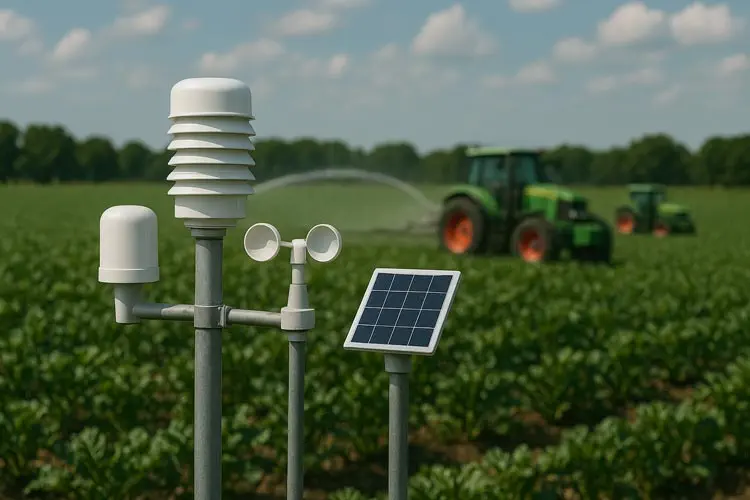
    At the foundation of precision agriculture lies a widespread network of detection instruments. Soil sensors measure in real time parameters such as moisture, temperature, pH and nutrient concentration. Agricultural drones fly over fields acquiring multispectral images that reveal the health status of crops, the possible presence of pests or diseases, and variations in vegetative vigor with a resolution impossible to achieve with the human eye. Satellite remote sensing, with platforms such as Sentinel-2 and Landsat, integrates this information on a broader scale, enabling the monitoring of vast agricultural surfaces across seasons.

    Smart Machinery and Automation

    The evolution of agricultural machinery is another fundamental pillar of this revolution. The latest generation of tractors is equipped with high-precision GPS systems, autonomous guidance and variable-rate actuators that automatically regulate the distribution of seeds, fertilizers and crop protection products based on prescription maps generated from data analysis. Agricultural robots, still in the early stages of widespread adoption but rapidly evolving, are already capable of performing transplanting, harvesting and mechanical weeding operations with a precision and consistency that surpasses human capabilities, opening unprecedented scenarios for labor management and the reduction of physical strain.

    The Role of Data and Digital Platforms

    All these tools generate continuous streams of data that, to be useful, must be integrated, processed and returned to the farmer in a comprehensible and actionable form. Digital farm management platforms — known as Farm Management Information Systems (FMIS) — serve exactly this purpose: they aggregate data from sensors, drones, satellites and machinery, process it through artificial intelligence algorithms and translate it into operational recommendations on when to irrigate, when and how much to fertilize, and when to intervene with crop protection treatments. This data-driven approach reduces the empirical component of agricultural decision-making and introduces a level of rationality and optimization previously unthinkable.

    Sustainability and Environmental Impact

    One of the most relevant aspects of precision agriculture concerns its potential positive environmental impact. The reduction in the use of chemical products, optimized irrigation management and the minimization of unnecessary soil tillage contribute to reducing greenhouse gas emissions, preserving soil biodiversity and limiting groundwater pollution. At a time when the agricultural sector is called upon to meet increasingly ambitious climate targets — such as those outlined in the European Green Deal and the Farm to Fork strategy — precision becomes not only a competitive advantage but a systemic necessity.

    The Challenges of Adoption

    Despite its enormous potential, the widespread adoption of precision agriculture is not without obstacles. The initial cost of technologies, the complexity of their integration and the need for specific digital skills represent significant barriers, particularly for the small and medium-sized farms that form the backbone of the sector in many European countries. Added to these are connectivity problems in rural areas, issues related to the ownership and management of agricultural data, and a degree of cultural resistance to change among a category accustomed to well-established traditional methods. Overcoming these barriers requires targeted support policies, adequate training programs and an ecosystem of digital services accessible even to smaller operations.

    Conclusions

    Precision agriculture is neither a technological trend nor a universal solution, but represents an inevitable trajectory for a sector that must produce more with less, in a context of limited resources and rapidly changing climate. The challenge for the coming years will be to democratize access to these technologies, ensuring that the benefits of the digital revolution in agriculture are distributed equitably between large enterprises and small producers, between advanced countries and developing realities. Only in this way will precision agriculture be able to fully express its transformative potential.
  • Energy and Utilities

    Energy and Utilities

    Energy and Utilities in the Digital Age: Innovation, Sustainability and the Future of Infrastructure

    The energy and utilities sector is undergoing one of the most profound transformations in its history. Driven by the urgency of decarbonization, the rapid advancement of digital technologies and the growing demand for reliable and affordable services, energy companies and public utilities are rethinking their infrastructure, business models and relationship with end users from the ground up.

    The Energy Transition: Beyond Fossil Fuels

    The shift from a centralized, fossil-fuel-based energy model to a distributed, renewable one is no longer a distant prospect — it is already underway. Solar and wind power have reached cost levels that make them competitive with conventional sources in most markets, while energy storage systems, particularly lithium-ion batteries and emerging solid-state technologies, are gradually solving the intermittency problem that has long limited their large-scale adoption. Governments and private investors are channeling unprecedented capital into clean energy projects, accelerating a transition that just a decade ago seemed far more gradual.

    Smart Grids and the Digitalization of Infrastructure

    At the heart of this transformation lies the evolution of the electrical grid. Traditional grids, designed for unidirectional energy flows from large centralized plants to passive consumers, are being replaced by smart grids capable of managing bidirectional flows, integrating distributed generation sources and responding dynamically to fluctuations in supply and demand. Advanced metering infrastructure, real-time monitoring systems and automated switching technologies allow grid operators to optimize performance, reduce losses and prevent outages with a level of precision previously unattainable.

    The Role of Data and Artificial Intelligence

    The digitalization of energy infrastructure generates an extraordinary volume of operational data. Artificial intelligence and machine learning algorithms are increasingly being deployed to extract actionable insights from this data: predictive maintenance of generation and distribution assets, demand forecasting, optimization of energy dispatch and detection of anomalies or fraudulent consumption patterns. AI-driven energy management systems are also enabling commercial and industrial consumers to significantly reduce their energy bills and carbon footprint by automatically adjusting consumption based on grid conditions and price signals.

    Distributed Energy and the Rise of the Prosumer

    One of the most disruptive dynamics reshaping the utilities landscape is the emergence of the prosumer — a consumer who is also a producer of energy. Rooftop solar panels, home battery systems and electric vehicles with vehicle-to-grid capabilities are transforming millions of households and businesses into active participants in the energy market. This shift challenges traditional utility business models and requires new regulatory frameworks, pricing structures and grid management approaches capable of accommodating a far more complex and decentralized ecosystem.

    Water and Waste: The Broader Utilities Picture

    Beyond electricity, the utilities sector encompasses water management and waste treatment — two areas equally in need of modernization. Aging water distribution networks in many countries lose a significant share of treated water to leakage, while wastewater treatment plants face growing pressure from population growth and increasingly stringent environmental regulations. Digital twins, IoT-based leak detection systems and AI-powered process optimization are being deployed to improve efficiency, reduce waste and ensure the long-term sustainability of these essential services.

    Cybersecurity: A Critical Priority

    As energy and utility infrastructure becomes increasingly connected and data-driven, it also becomes more exposed to cyber threats. Attacks on critical infrastructure — power grids, water treatment facilities, gas pipelines — represent a serious and growing risk with potentially severe consequences for public safety and economic stability. Operators are investing heavily in cybersecurity frameworks, threat intelligence platforms and resilience strategies to protect systems that society simply cannot afford to have compromised.

    Conclusions

    The energy and utilities sector stands at a pivotal crossroads. The convergence of renewable energy, digital innovation and evolving consumer expectations is reshaping an industry that underpins every aspect of modern life. Companies and institutions that embrace this transformation with a clear strategic vision — investing in infrastructure modernization, data capabilities and sustainable practices — will be best positioned to deliver reliable, affordable and clean services in the decades to come.

  • Environmental Monitoring

    Environmental Monitoring

    The Environmental Monitoring in the Digital Age: Tools, Challenges and Perspectives

    Environmental monitoring is today one of the most crucial tools in the fight against climate change and the sustainable management of natural resources. It is not simply a matter of measuring physical or chemical parameters, but of building a deep and continuous understanding of the ecological systems around us, in order to anticipate critical issues, guide public policies and ensure the quality of life of communities.

    An Increasingly Widespread Sensor Network

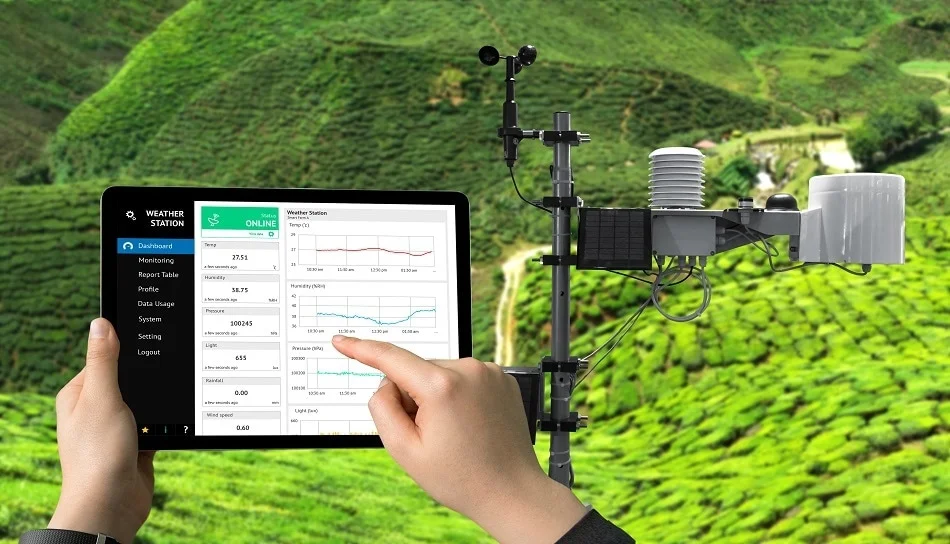
    In recent decades, the spread of distributed sensor networks across the territory has revolutionized data collection methods. Automated weather stations, oceanographic buoys, air quality monitoring units and low-cost IoT devices now form a true nervous infrastructure of the planet, capable of transmitting real-time information on temperature, humidity, pollutant concentrations, water levels and much more. This density of data, unthinkable just twenty years ago, opens new scenarios for environmental risk management.

    The Fundamental Role of Satellite Remote Sensing

    Alongside ground-based networks, satellite remote sensing has taken on an increasingly central role. Constellations such as the European Space Agency’s Copernicus provide high-resolution multispectral images that allow monitoring of forest cover, glacier extent, surface water quality and urban area evolution. The analysis of time series of satellite images makes it possible to detect decade-long trends with a precision that no traditional method could guarantee.

    Artificial Intelligence and Predictive Analytics

    The enormous volume of data generated by these heterogeneous sources has made the use of artificial intelligence and machine learning indispensable. Classification algorithms and predictive models are trained on historical datasets to identify anomalies, forecast extreme events such as floods or heatwaves, and optimize the operational responses of competent authorities. The integration of environmental data and climate models represents in this sense one of the most promising frontiers of applied research.

    Towards Participatory Monitoring

    One often underestimated aspect concerns the contribution of so-called citizen science: the collection of observations by ordinary citizens, through mobile applications or collaborative platforms, is becoming a valuable complement to official systems. Reports of invasive species, detection of microplastics in water or urban noise measurements are just some examples of how the active participation of civil society can enrich the quality and reach of monitoring.

    Conclusions

    The future of environmental monitoring is inevitably intertwined with that of digital technologies. The ability to integrate data from different sources, process it in real time and translate it into accessible and actionable information represents a strategic priority for governments, research institutions and businesses. Only through a systemic and interdisciplinary vision will it be possible to transform the vast amount of available data into useful knowledge to protect ecosystems and build a more resilient future.

  • Article test 2

    Article test 2

    Article test 2 Article test 2 Article test 2 Article test 2 Article test 2

    Article test 2 Article test 2 Article test 2

    Article test 2 Article test 2 Article test 2 Article test 2

    • test1
    • test2
    cel1cel2
    cel3cel4
  • Article test 1

    Article test 1

    Test article 1. Test article 1. Test article 1. Test article 1.

    Test article 1. Test article 1. Test article 1.

    Test article 1. Test article 1. Test article 1. Test article 1.

    Test article 1. Test article 1. Test article 1.

    Test article 1. Test article 1.